

What Happens at Your First Allergist Appointment? Forms, Tests, Questions, and Costs
Know what happens at your first allergist appointment: medication preparation, forms, skin and blood tests, insurance costs, and questions to ask your doctor.
The most accurate pollen forecast platform powered by AI. Track allergens, plan your day, and take control of your allergy season.
Pollen levels for major cities across the US, with quick local allergy context before you head outside.
Texas
Primary: Ragweed
California
Primary: None
New York
Primary: None
Florida
Primary: Ragweed
Illinois
Primary: None
Washington
Primary: None
Stay ahead of allergy season with enterprise-grade pollen intelligence trusted by healthcare professionals.
Get pollen forecasts with allergen breakdowns and 5-day outlooks. Know what's in the air before you step outside.
ZIP-code-level precision for any neighborhood in the US. Our models account for local vegetation, weather patterns, and geographic factors.
Editorially reviewed allergy management guides from the AllergyAva Editorial Team. Learn practical ways to reduce symptoms and plan around pollen.
Personalized notifications when pollen levels spike in your area. Never get caught off-guard by high allergen days.
Simply enter your ZIP code to instantly track local pollen. Our platform covers all 50 states, from major metros to rural suburbs, with consistent accuracy.
Plan your week with confidence. Our extended forecasts help you schedule outdoor activities around low-pollen windows.
Expert articles to help you understand, manage, and overcome seasonal allergies.

Know what happens at your first allergist appointment: medication preparation, forms, skin and blood tests, insurance costs, and questions to ask your doctor.

Learn when cedar fever peaks in Texas and Oklahoma, how it differs from flu, and what helps: nasal sprays, pollen avoidance, allergy shots, and home care.

Compare U.S. allergy seasons month by month, with regional tree, grass, ragweed and mold timing, October guidance, and tips for checking local pollen reports.
Allergy and immunology profiles highlighted by AllergyAva.

Sarasota, FL 34239
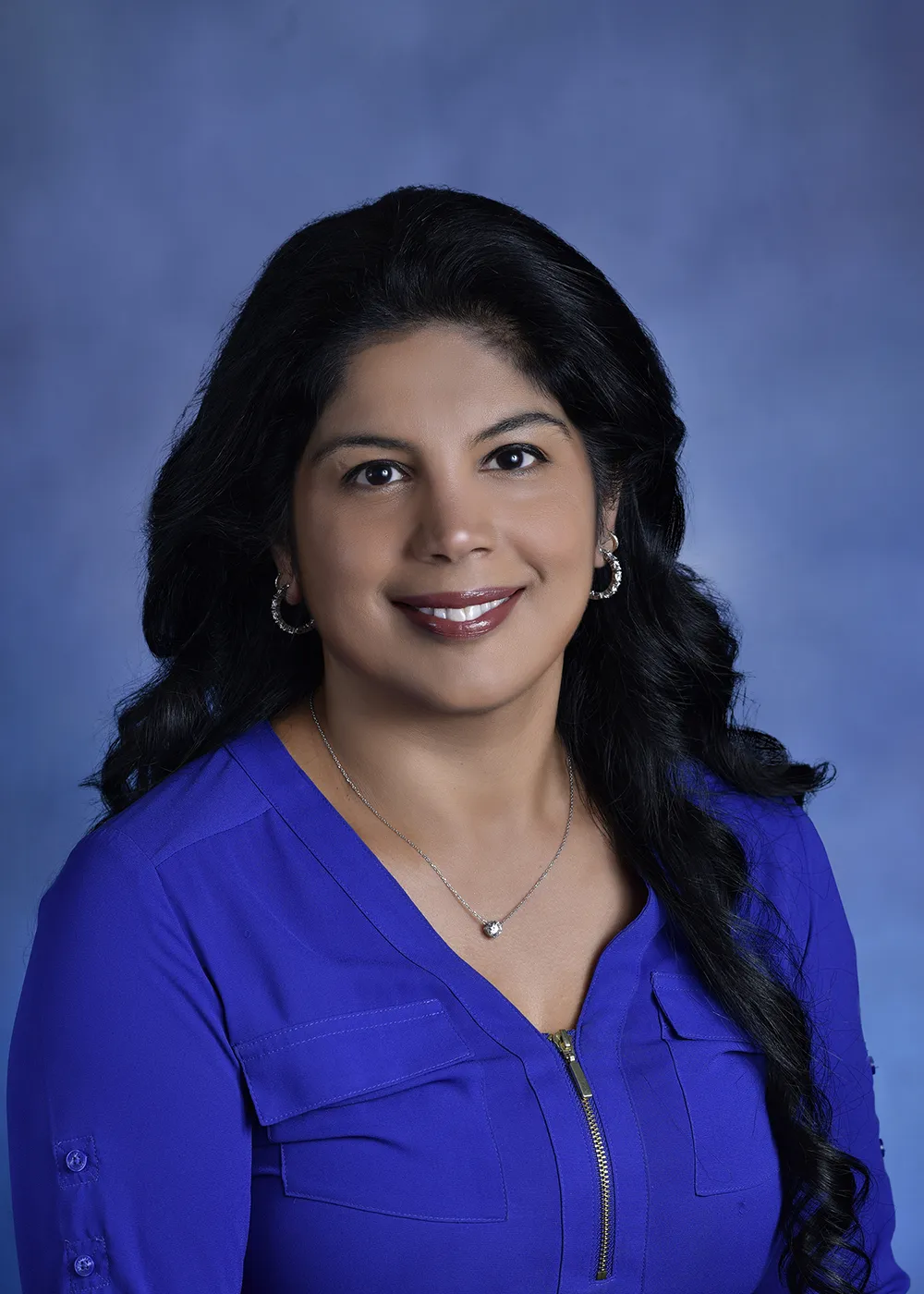
Dr. Alicia Alvarez is an allergy and immunology specialist with Sarasota Memorial’s First Physicians Group Silverstein Institute. She treats adults and children with environmental, food, medication, and insect allergies. Her Sarasota allergy practice also includes asthma therapies, allergen immunotherapy, biologic medications, and evaluation for primary immunodeficiency.
View profile
Boise, ID 83706
Dr. Neetu Talreja is a board-certified allergist and immunologist with The Allergy Group in Boise and the Treasure Valley. She treats adults and children with asthma, environmental allergies, food allergies, eczema, hives, sinus symptoms, immunotherapy needs, and immune-system conditions.
View profile
New Orleans, LA 70121
Dr. Ann E. Borreson is an Ochsner Health allergist and pediatric allergy specialist in New Orleans, Louisiana, with additional clinic availability in Metairie. Board-certified in allergy and clinical immunology, she sees children and adults for allergy, asthma, and immune-related concerns and brings a holistic, family-centered perspective to patient care.
View profileWebinars, workshops, awareness walks, and education programs for the allergy community.

A full-day professional respiratory care conference at Eskenazi Health in Indianapolis featuring clinical education, respiratory therapy topics, networking, and anticipated continuing respiratory care education credit.

A three-day regional allergy and immunology conference in Avalon, New Jersey, bringing together professionals in the field for education, discussion, networking, and updates in allergy care and research.
Everything you need to know about tracking pollen and managing allergies
AllergyAva is a pollen tracker that helps you check pollen forecasts in your city so you can better prepare for allergy season. You can use it to monitor daily pollen levels, follow local trends, and stay aware of when pollen from trees, grass, or weeds may be higher in your area.
AllergyAva shows a city-based pollen forecast to help you understand expected allergy conditions in your area. By checking your local forecast regularly, you can spot higher-pollen days ahead of time and plan outdoor activities, travel, exercise, or symptom management more carefully.
Yes. AllergyAva is designed to help you check pollen conditions in your city. If you want to know the pollen forecast for where you live, work, or travel, simply search for your location to see local allergy conditions and forecast trends.
AllergyAva helps users follow the main pollen categories that commonly affect seasonal allergies, including tree pollen, grass pollen, and weed pollen. These pollen types can peak at different times of year depending on your location and climate.
Checking the pollen forecast can help you avoid unnecessary exposure on high-pollen days. If pollen levels are elevated in your city, you may choose to limit time outdoors, keep windows closed, shower after being outside, or adjust when you exercise or travel.
Tree pollen is often more common in spring, grass pollen tends to peak in late spring and summer, and weed pollen is often a bigger issue in late summer and fall. The timing varies by region, which is why local city-based pollen tracking is helpful.
Yes. Pollen conditions can vary significantly from one city to another based on weather, vegetation, season, wind patterns, and local environmental factors. A pollen tracker like AllergyAva helps you see location-specific conditions rather than relying on a broad national estimate.
Pollen season depends on the type of pollen and where you live. In many places, tree pollen is highest in spring, grass pollen becomes more active later, and weed pollen can rise toward late summer and fall. Local forecasts help you understand what is happening in your city right now.
Yes. If you are visiting another city, AllergyAva can help you check the local pollen forecast before and during your trip. This is especially useful for people whose allergies get worse in unfamiliar environments or during seasonal changes.
On high-pollen days, many people reduce exposure by staying indoors more often, closing windows, changing clothes after being outside, washing hair in the evening, and avoiding outdoor activity when pollen is especially high. Checking your pollen forecast first helps you know when to be more cautious.
Still have questions? Start tracking pollen in your city to see how it works.
Join thousands of users who rely on AllergyAva for practical pollen forecasts. Start tracking your local conditions today.